Choosing an evening dress for the opera
The overture only begins in the hall, but your performance starts in the foyer. Choosing an evening gown for the opera therefore doesn't just mean putting on a particularly festive dress. It's about finding the right balance of elegance, occasion, and comfort – so you feel just as confident enjoying champagne beforehand as you do during a long evening in the stalls.
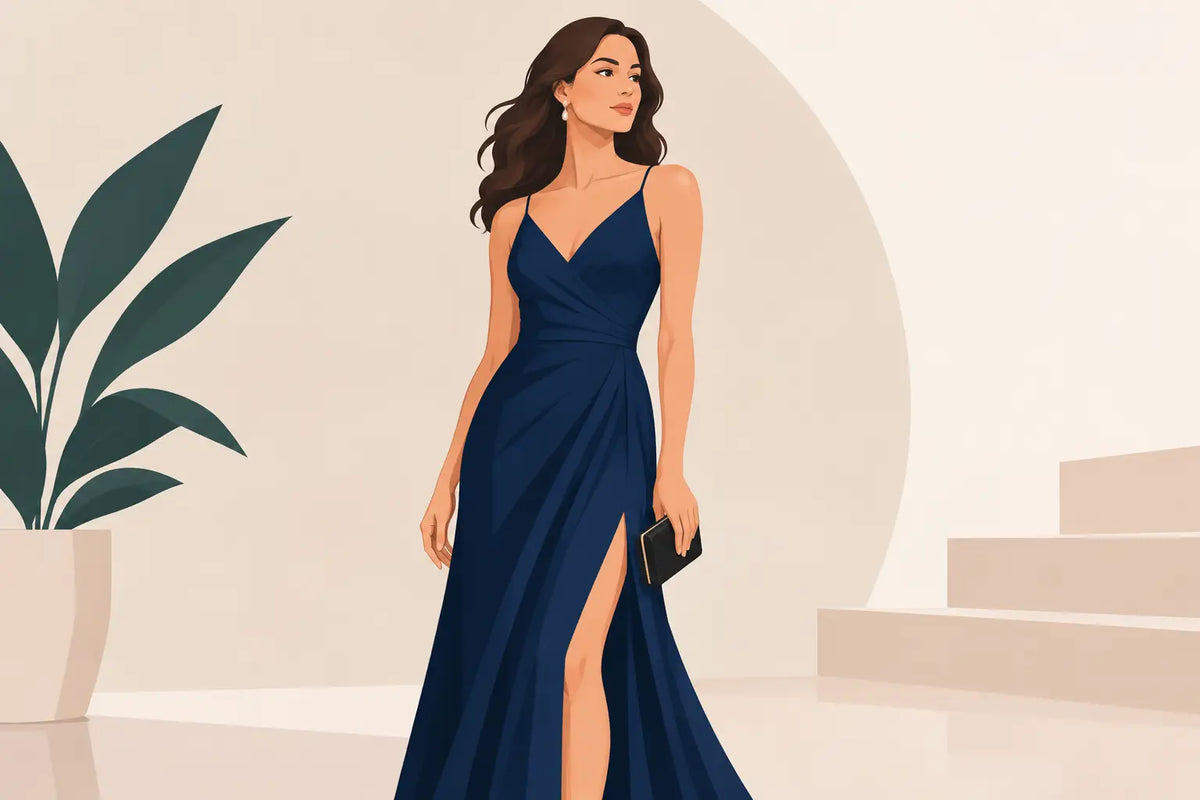
The good news: opera attire is more versatile today than many might think. A floor-length dress can be perfect, but an elegant midi dress is often just as appropriate. What matters most is the overall quality of the look, a well-groomed appearance, and a dress that highlights your personality rather than feeling like a costume.
Understanding the Opera Dress Code
Not every opera demands the same attire. A premiere at a traditional opera house, a gala evening, or a visit to a box seat can be interpreted more glamorously than a matinee performance or a modern production in a smaller theatre. If you're unsure, check the venue's guidelines beforehand and consider the time of day, occasion, and your company.
For a classic evening performance, an elegant evening gown is always a safe choice. Flowing fabrics, a clear silhouette, and refined yet subtle details work particularly well. A dress with delicate lace, satin sheen, draping, or an intricately crafted corsage adds luxury to the look without appearing overdone.
For premieres and festive charity events, your styling can be more prominent. A long dress in deep black, emerald green, burgundy, midnight blue, or chocolate brown looks sophisticated and timeless. An elegant dress with sparkling accents can also be compelling, provided the embellishment looks high-quality and doesn't compete with conspicuous jewellery.
Length Determines the Impact
A floor-length evening gown represents the classic opera look. It immediately creates a festive silhouette and is particularly well-suited for evening premieres, galas, or an opera visit followed by dinner. Make sure the hem doesn't drag on the floor with your shoes. Long staircases, narrow seating rows, and cloakroom areas can quickly make an overly long dress impractical.
A midi dress is the modern, very elegant alternative. It appears less formal than a floor-length gown but remains clearly in the evening wear category. For many women, this length is particularly comfortable: it allows for easier movement, showcases elegant pumps or sandals, and also works with closed shoes in changeable weather.
Short cocktail dresses can be appropriate for a more casual performance but should have a sophisticated finish. A simple, well-fitting dress made of high-quality fabric is more convincing than a very short model with too many cut-outs. The opera is an occasion for elegance, not a club look.
Choosing an Evening Gown for the Opera: Fabric and Cut
The fabric determines whether a dress looks luxurious or arbitrary under theatre lights. Satin reflects light softly and elegantly, while chiffon adds movement and lightness. Velvet has a particularly noble appearance in the autumn and winter seasons. Crêpe is ideal if you prefer a modern, clean line and are looking for a dress that holds its shape.
When choosing the cut, the focus is not on a trend, but on the question: What do you visibly feel comfortable in? An A-line dress accentuates the waist and drapes gently over the hips and legs. A figure-hhugging dress highlights curves and looks particularly strong in a simple, high-quality design. Empire cuts and draped models offer an elegant alternative if you desire more freedom of movement around the midsection.
A deep neckline, a high leg slit, or a backless detail are not inherently inappropriate. However, choose only one statement element. A dress with an open back, for example, looks particularly elegant if the front remains understated. This creates a look with tension and class.
Choosing a Colour with Atmosphere
Black is never wrong at the opera. The colour looks sophisticated, can be combined in many ways, and cuts a fine figure even at very formal occasions. To prevent the look from becoming too severe, you can work with texture: satin, lace appliques, an asymmetrical neckline, or special earrings add depth to a black evening gown.
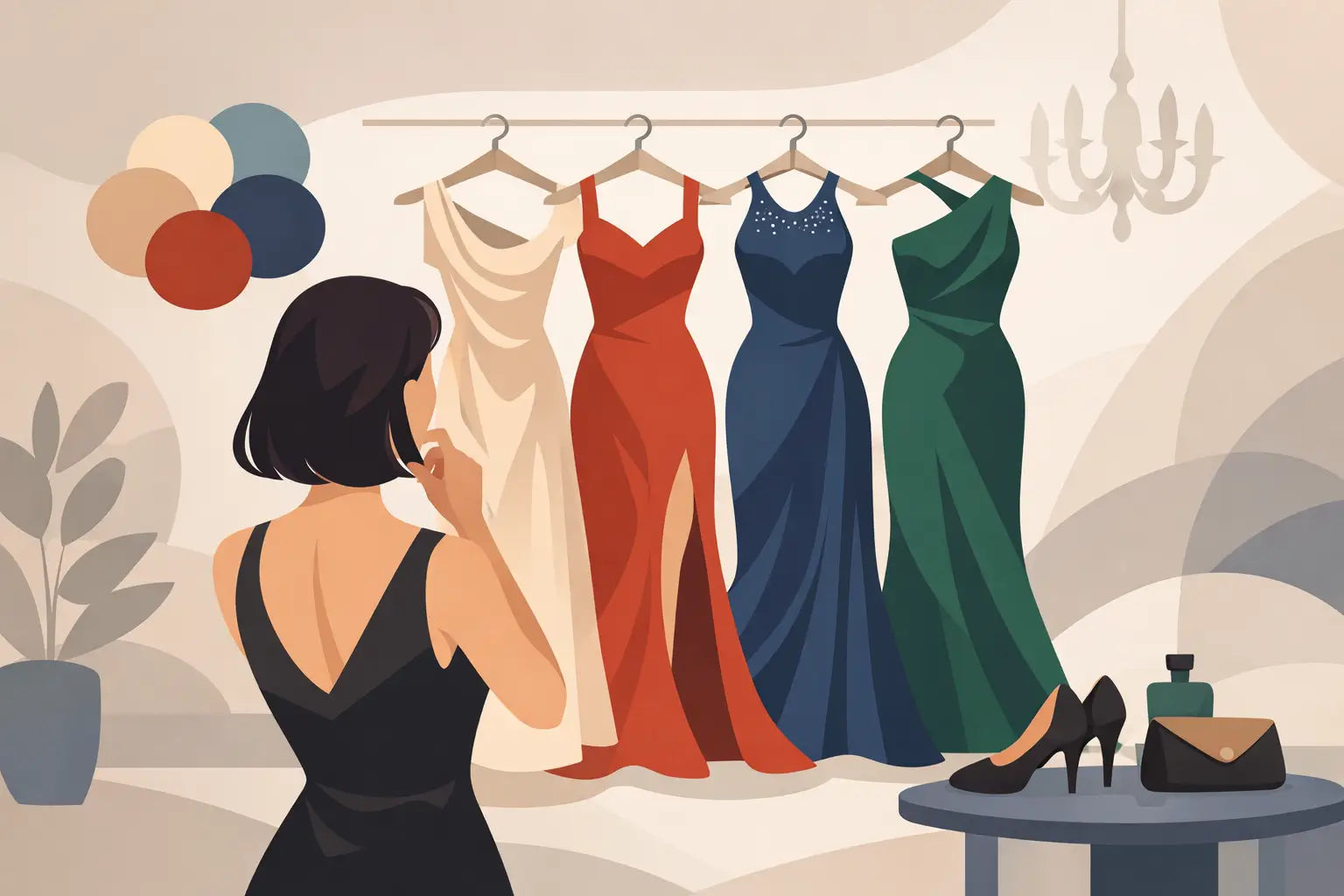
Dark jewel tones pair wonderfully with the evening light in the theatre. Emerald, ruby red, plum and sapphire blue exude elegance and appear intense in photos without being loud. Nude, champagne, and rosé can also look beautiful, but require a tone that complements your skin tone. Very light colours are possible at an opera gala but can quickly resemble bridal wear depending on the cut. If you're not the centre of a wedding celebration yourself, choose white and cream very consciously.
Bold colours like red or fuchsia are a confident choice. They work best with a clear silhouette, quiet styling, and a small bag in black, gold, or silver. The dress can command attention – it just shouldn't compete with the stage.
Comfort Is Not a Minor Detail
An opera, with an intermission, travel, and a subsequent dinner, can last many hours. A dress that only looks good in the mirror but cuts in when you sit down or slips with every step will detract from your enjoyment of the occasion. Therefore, don't just try on the dress while standing. Sit down, walk a few steps, and raise your arms as if putting on your coat.
The right underwear also noticeably changes the fit. Strapless dresses require secure support, and transparent or very light fabrics need a smooth, colour-matching base. Shapewear can support a beautiful silhouette but should never be so tight that you spend the evening waiting for a trip to the cloakroom.
For cooler months, an elegant stole, a short blazer, or a high-quality coat is advisable. A casual everyday cardigan, on the other hand, immediately diminishes the effect of a glamorous dress. Plan the complete look from the journey to the theatre to the return trip.
Consciously Reducing Shoes, Bag, and Jewellery
Pumps, slingbacks, or elegant sandals with a stable heel complement an opera dress. If you expect to walk a lot or encounter cobblestones, a medium-height block heel is often a smarter choice than an extremely high stiletto. Elegance is also reflected in walking relaxed.
A small clutch or evening bag is sufficient for your phone, cardholder, lipstick, and tissues. Large shoppers and conspicuous logos usually look out of place with an evening gown. For jewellery, the rule is: match it to the neckline. Striking earrings look beautiful with a high-necked dress, while a deep décolleté leaves room for a delicate necklace.
If your dress already has sequins, pearls, or shimmering threads, choose simpler accessories. With a minimalist dress, however, jewellery or shoes can show a little more character. This balance makes the entire look appear high-quality.
Planning Size, Timing, and Fitting Realistically
Don't order your evening gown just a few days before the event. Even with quickly available items, you should allow time for trying it on, finding suitable shoes, and potential small alterations. Check the size chart instead of relying solely on your usual clothing size. Depending on the cut, one size larger might offer more freedom of movement, or a different length might fit better.
For women seeking special sizes, precise measurements are even more crucial. An elegant plus-size evening gown should not hide the figure but rather highlight it beautifully with good construction, a secure bodice, and a flowing skirt. Pay attention to measurements for bust, waist, hips, and length – and if unsure, ask for personal assistance before purchasing.
At ByBeeyz, you'll find occasion dresses in standard and plus sizes for an appearance that looks glamorous and feels like you. It's better to choose a dress that is currently available, fits securely, and accompanies your evening, rather than chasing an uncertain trend. If, at first glance in the mirror, you stand taller and can confidently imagine walking through the opera foyer in it, you've made the right choice.